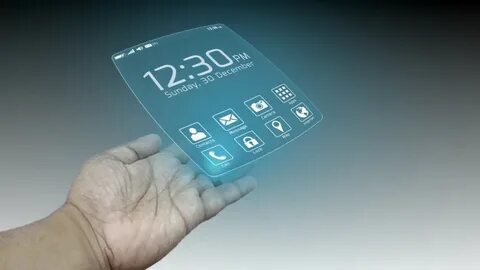
Smartphones have become such a natural part of our everyday lives that it’s easy to forget how quickly they’ve evolved. A little over a decade ago, smartphones were still finding their footing, apps were limited, and cameras were nowhere near today’s quality. Fast-forward to 2025, and the smartphone industry is entering a new era—one defined by artificial intelligence, satellite communications, smarter cameras, improved design, and deeper integration with our digital worlds.
In this article, we’ll explore what the next generation of smartphones will look like, what innovations are already emerging, and how these changes will shape the future of mobile technology. Whether you’re a tech blogger, gadget lover, or everyday smartphone user, this guide breaks down the trends in a simple, human-friendly way.
1. AI Is Becoming the Heart of Smartphones
Artificial intelligence is no longer just a fancy add-on; it’s becoming the brain of mobile devices.
Modern smartphones already use AI for tasks like photo enhancement, voice assistants, and predictive text. But the next few years will take things much further.
A. On-Device AI Processing
Smartphones are shifting from cloud-based AI to on-device AI chips. This means faster processing, increased privacy, and smarter features that work even offline.
Imagine:
- AI that edits photos in real time like a professional.
- AI that summarizes your emails or chats instantly.
- Phones that predict what you need before you even tap anything.
This isn’t science fiction—it’s already becoming real.
B. AI-Powered Personal Assistants
Siri, Google Assistant, and Bixby are getting upgrades, but the future goes deeper.
We will see AI assistants that:
- Understand context better.
- Hold natural conversations.
- Control apps without you opening them.
- Help manage your schedule automatically.
These assistants will feel less like tools and more like smart digital companions.
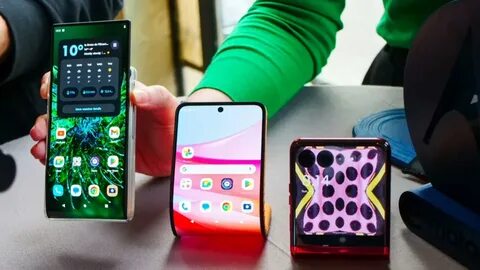
2. Foldable and Rollable Phones Will Go Mainstream
Foldable smartphones made a great entrance but were initially criticized for fragility and high prices. Today, that’s changing.
Manufacturers like Samsung, Huawei, Motorola, Oppo, and even Google are refining foldable designs and reducing costs.
A. Thinner, Stronger Screens
New materials are making foldables:
- More durable
- More flexible
- Less prone to creasing
Rollable phones are next—devices that expand their screens like scrolls. Perfect for multitaskers, designers, and video lovers.
B. Why Foldables Are the Future
People want bigger screens but not bigger pockets. Foldables solve this perfectly:
- Tablet when open
- Phone when closed
As costs drop, we’ll see foldables become as common as regular flagship phones.
3. Satellite Connectivity Will Change How We Communicate
One of the biggest upgrades coming to smartphones is satellite communication.
This technology allows phones to connect to satellites instead of cell towers, meaning:
- No more dead zones
- Emergency communication anywhere
- Connectivity in rural areas, oceans, or mountains
Apple and Huawei introduced satellite-SOS features, and Android manufacturers are following fast.
A. Everyday Use, Not Only Emergencies
In the next few years, satellite messaging and even basic internet access may become standard on many phones. This is a massive leap in global connectivity.
4. Cameras Will Become Even More Powerful
Smartphone cameras have improved so fast that many people barely use traditional cameras anymore. And the next generation will be even more advanced.
A. Bigger Sensors and More Lenses
Expect:
- Upgraded zoom capabilities
- Better low-light photography
- More natural portrait shots
- Improved color science
B. AI Image Processing
AI will help cameras:
- Enhance images in real time
- Remove unwanted objects
- Improve video stabilization
- Adjust lighting automatically
Video quality will reach near-cinematic levels, making smartphones a must-have for vloggers and filmmakers.
5. Battery Life and Charging Will Finally Improve
Everyone wants better battery life. Smartphone makers know this, and several technological upgrades are on the way.
A. Graphene Batteries
Graphene-based batteries are:
- Faster to charge
- Longer-lasting
- Less likely to overheat
These could charge from 0% to 100% in minutes.
B. Wireless Charging Everywhere
Wireless charging pads may become integrated into:
- Cars
- Tables
- Airports
- Public places
Phones will charge simply by being placed nearby—it’s the start of a cord-free future.
6. More Secure and Personalized Experiences
Privacy and security remain top concerns.
A. Advanced Biometrics
New forms of biometric security may include:
- Enhanced facial recognition
- Under-screen fingerprint sensors
- Heartbeat pattern recognition
B. Personalization Through AI
Your phone will understand your habits so well that its interface will adjust automatically:
- Apps rearranging based on time of day
- Notifications customized to your lifestyle
- Smarter battery usage depending on activity
It’s like having a device built specifically for you.
7. Integration With VR and AR Devices
Smartphones will become the controllers for augmented reality (AR) and virtual reality (VR) ecosystems.
Companies like Apple, Meta, and Samsung are building AR glasses and mixed-reality devices that pair with smartphones.
Future phones will:
- Project holograms
- Scan environments in 3D
- Support AR shopping, gaming, and learning
This marks a new era of immersive digital experiences.
8. Eco-Friendly Smartphones Are Rising
Sustainability is becoming important in tech.
Expect more eco-friendly trends:
- Recycled materials
- Longer software support
- Repair-friendly designs
- Low-energy displays
Consumers want greener options, and brands are responding.
Conclusion: A New Era of Smartphones Is Coming
The future of smartphones is incredibly exciting. We will soon see devices that are smarter, faster, more flexible, and more integrated into our lives than ever before.
From AI-driven personal assistants to foldable screens, satellite connections, improved cameras, and greener materials, smartphones are evolving beyond communication tools—they are becoming powerful digital partners.
As tech companies continue pushing boundaries, one thing is clear:
The smartphone you’ll use in the next five years will feel dramatically more advanced than anything available today.