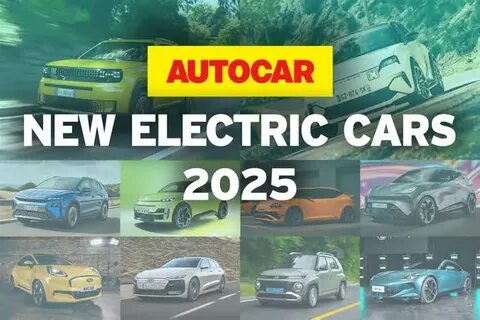
Electric Vehicles (EVs) have shifted from a futuristic concept to a mainstream reality. With rising fuel prices, growing environmental awareness, and technological advancements, EVs are no longer just the choice of early adopters—they’re becoming a smart, practical option for everyday drivers. But with so many models, brands, and technologies, understanding EVs can be overwhelming.
This guide reviews EV technology, explores the best models in 2025, examines pros and cons, and explains what you need to know before making the switch from gasoline-powered vehicles.
1. What Is an Electric Vehicle (EV)?
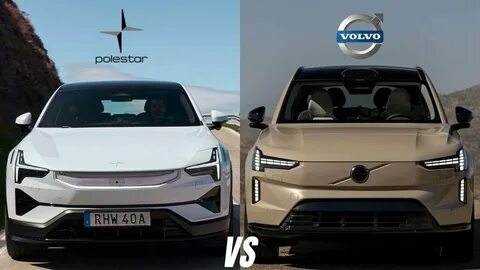
An Electric Vehicle (EV) is a vehicle powered by electricity instead of traditional gasoline or diesel. EVs store energy in large battery packs, which power an electric motor to drive the wheels. This system is far simpler mechanically than internal combustion engines (ICE), leading to fewer moving parts and potentially lower maintenance costs.
Types of EVs:
- Battery Electric Vehicles (BEVs) – Fully electric, no gasoline engine. Example: Tesla Model 3.
- Plug-in Hybrid Electric Vehicles (PHEVs) – Combination of battery and gas engine. Example: Toyota Prius Prime.
- Hybrid Electric Vehicles (HEVs) – Primarily gas-powered but with electric assist; no plug-in. Example: Toyota Prius.
In 2025, BEVs dominate the EV market due to improved battery technology and the global push for zero-emission vehicles.
2. Why EVs Are Taking Over
EVs are gaining traction for several key reasons:
Environmental Benefits
- Zero tailpipe emissions reduce air pollution
- Reduced carbon footprint compared to gasoline cars
- Incentives from governments, including tax credits and rebates
Economic Benefits
- Electricity is cheaper than gasoline
- Lower maintenance: no oil changes, fewer moving parts, regenerative braking reduces wear on brakes
Technological Benefits
- Advanced infotainment systems
- Smart connectivity and over-the-air software updates
- Regenerative braking and energy-efficient driving modes
Convenience Benefits
- Home charging avoids gas stations
- Reduced noise pollution
- Modern designs and futuristic features
3. Best EV Models in 2025
Here’s a look at some of the top EVs in 2025, highlighting their performance, range, and features.
Tesla Model 3
- Range: 358–400 miles (depending on variant)
- Top Speed: 162 mph
- 0–60 mph: 3.1–5.3 seconds
- Pros: Long range, excellent acceleration, autopilot, massive charging network
- Cons: Higher initial cost, minimalistic interior may not suit everyone
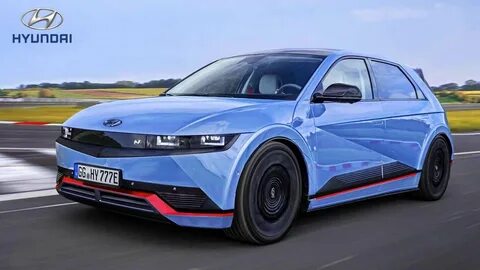
Hyundai Ioniq 5
- Range: 303 miles
- Top Speed: 115 mph
- 0–60 mph: 5.2–7.4 seconds
- Pros: Modern design, ultra-fast charging (10%–80% in ~18 minutes), spacious interior
- Cons: Less charging infrastructure than Tesla
Ford Mustang Mach-E
- Range: 270–314 miles
- Top Speed: 111–130 mph
- 0–60 mph: 3.5–6.1 seconds
- Pros: Stylish SUV design, engaging drive, multiple variants including AWD
- Cons: Smaller rear cargo space than competitors
Rivian R1T
- Range: 314 miles
- Top Speed: 125 mph
- 0–60 mph: 3 seconds (performance version)
- Pros: Off-road capable, innovative storage, robust towing capacity
- Cons: Expensive, limited charging infrastructure
Chevrolet Bolt EV
- Range: 259 miles
- Top Speed: 93 mph
- 0–60 mph: 6.5 seconds
- Pros: Affordable, compact, practical for city driving
- Cons: Limited range compared to premium EVs
4. Charging EVs in 2025
Charging is one of the biggest concerns for new EV buyers. Here’s a quick breakdown:
Home Charging
- Most EV owners charge at home overnight using Level 2 chargers (~7–11 kW)
- A full charge typically takes 6–12 hours depending on battery size
Public Charging
- Level 2: 2–8 hours depending on station and battery size
- Level 3 / DC Fast Chargers: 10%–80% charge in 20–40 minutes
- Tesla Supercharger network and Electrify America provide fast-charging options
Charging Considerations
- Not all locations have fast chargers yet
- Battery longevity can be affected by frequent fast charging, but modern EVs are improving
- Apps like PlugShare help locate charging stations
5. Pros and Cons of EVs
Pros
- Environmentally friendly (zero tailpipe emissions)
- Lower running and maintenance costs
- Smooth, quiet, and responsive drive
- Advanced tech features, including autopilot, smart displays, and OTA updates
- Incentives and rebates reduce effective cost
Cons
- Higher upfront cost than traditional cars
- Charging infrastructure is growing but still limited in some areas
- Range anxiety: planning longer trips may require charging stops
- Battery degradation over years may reduce range
6. EV Technology Trends in 2025
EVs are evolving fast. Here are some trends to watch:
1. Longer Ranges
Battery technology improvements are pushing ranges beyond 400–500 miles per charge.
2. Faster Charging
Charging times are dropping, with 10–80% in under 20 minutes on many premium EVs.
3. Vehicle-to-Grid (V2G)
Future EVs can feed electricity back to the grid, supporting home energy needs and power emergencies.
4. Autonomous Driving
EVs increasingly integrate semi-autonomous features like lane-keeping, adaptive cruise control, and parking assistance.
5. Eco-friendly Materials
Automakers are using recycled plastics, vegan interiors, and sustainable batteries.
7. Tips for Buying Your First EV
- Check range and charging infrastructure – make sure it fits your daily commute and travel habits.
- Understand incentives – local, state, or federal rebates can save thousands.
- Consider total cost of ownership – EVs are cheaper to maintain over time.
- Test drive multiple models – handling, acceleration, and interior feel vary widely.
- Plan your home charging – invest in a Level 2 charger for convenience.
8. EVs vs Gas Cars: Quick Comparison
| Feature | EVs | Gas Cars |
|---|---|---|
| Fuel | Electricity | Gasoline |
| Maintenance | Low (fewer moving parts) | Higher (oil changes, engine upkeep) |
| Noise | Quiet | Engine noise |
| Emissions | Zero tailpipe | High CO2 emissions |
| Acceleration | Instant torque, fast | Gradual |
| Cost | Higher upfront, lower running cost | Lower upfront, higher running cost |
9. Final Verdict
Electric vehicles in 2025 are no longer niche—they’re a viable, practical, and even superior alternative to gasoline cars for most drivers. With a growing charging network, longer ranges, and reduced costs, EVs are ideal for city and suburban driving, daily commutes, and even long-distance travel with proper planning.
Top Picks for 2025:
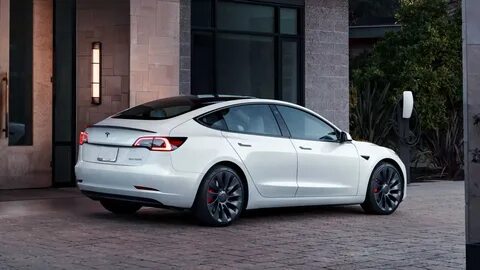
- Tesla Model 3: Best overall for range, speed, and tech
- Hyundai Ioniq 5: Best design and charging experience.
- Ford Mustang Mach-E: Best sporty SUV feel.
- Chevrolet Bolt EV: Best budget-friendly EV.
Switching to an EV in 2025 isn’t just about environmental benefits—it’s about enjoying better technology, smoother driving, and lower long-term costs.