Design tools are essential today — whether you’re creating social media graphics, marketing materials, presentations, or UI mockups. Among the many options out there, Canva stands out as one of the most popular, but that doesn’t mean it’s perfect. In this article, we compare what Canva offers to what other tools provide, highlight strengths and weaknesses, and help you pick what’s right for your needs.
What is Canva — and What Makes It Popular
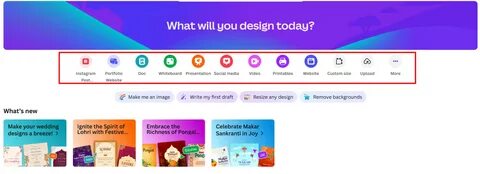
Canva is a cloud-based graphic design platform that allows users to create everything from social media posts to flyers, presentations, videos, and more — all with drag-and-drop ease. Its main appeal lies in being usable by non-designers: you don’t need to know graphic design principles to make something that looks decent. Life Guide+2Strife Studio – Design Agency+2
Why People Use Canva
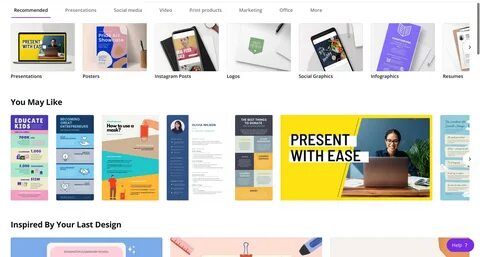
- Huge template library: Canva offers a massive collection of templates for social media posts, business documents, presentations, banners, and more. Life Guide+1
- Ease of use: Its interface is simple and intuitive; drag-and-drop, easy resizing, background removal, and quick image/text placement make it beginner-friendly. Life Guide+2Medium+2
- Cross-platform and cloud-based: Works on desktop, mobile (iOS/Android), and browser — useful for flexible workflows and remote teams. Life Guide+1
- Affordability: You can start with a free plan. For many individuals, small businesses, or side-projects, the free tier (or a modest Pro subscription) is enough. theprotec.com+2Adomantra+2
- Collaboration & speed: For quick-turnaround tasks (social media graphics, marketing flyers, presentations), Canva lets small teams or individuals produce content fast without needing a professional designer. TrustRadius+1
In short: Canva shines when you need to create good-looking digital graphics quickly — especially for social media, marketing, or small business needs.
Where Canva Falls Short (and When It Might Not Be Enough)
Despite its strengths, Canva has limitations — especially for more advanced design work or professional use cases. Knowing these helps you decide whether to stick with it or look for something else.
Key Limitations:
- Limited advanced editing: Unlike professional-grade tools, Canva lacks deep control over vector editing, complex layering, precise typography, and high-level image manipulation. Solution Prime+2siynet.com+2
- Template overuse risk: Because many people use the same templates, designs from Canva can end up looking generic or “too common” — unless you customize heavily. ProjectManagers.net+2Novu Creative+2
- Export and format constraints: Export options are often limited (PNG, JPG, PDF, etc.), which may not work if you need editable vector files (SVG/AI) or high-precision layout and print-ready outputs. Solution Prime+2siynet.com+2
- Offline dependency & performance issues: Being cloud-based means you need internet access; in low-bandwidth or unstable internet areas, this can be a problem. Also, when working on large or complex designs, performance can lag. LinkedIn+2ProjectManagers.net+2
- Not ideal for professional design or UI/UX work: Canva was built for general graphics; for tasks like vector-based UI design, complex layouts, or detailed photo editing, tools built for professionals remain superior. Graphistichub+2brandesignbd.com+2
If your projects demand high-fidelity design, brand uniqueness, vector graphics, or print-quality output — Canva might feel limiting.
Alternatives to Canva: When & Why You Should Consider Them
Depending on what you need, several other tools may offer features that Canva doesn’t — at the cost of complexity or price. Here are some widely used alternatives, and what they do better.
Figma (and similar UI/UX tools)
- Excellent for UI/UX design, prototyping, wireframing, and interactive digital product design. Canva lacks those capabilities. Unlimited Graphic Design Service+2brandesignbd.com+2
- Offers vector-based editing, more precise controls, collaboration features tailored to design teams, and better workflow for web/app design than Canva. Shift Browser+1
- Great for teams building websites, apps, or digital platforms — but less ideal for rapid social media/marketing visuals compared to Canva.
Professional Software (e.g. Adobe Photoshop / Adobe Illustrator)
- Provide pixel-perfect control, advanced photo editing, vector manipulation, custom typography, print-ready export, and far greater creative freedom. Graphistichub+2siynet.com+2
- Best for users needing high-quality graphics — brand assets, logos, print materials, marketing campaigns, or anything requiring precision and uniqueness.
- However, these come with steeper learning curves and may require more resources/time.
Hybrid / Niche Tools (e.g. infographic tools, presentation tools, etc.)
- Some tools focus on infographics, data visualization, or publishing, and offer features tailored to those tasks (charts, interactive elements, custom layouts).
- Great for specialized tasks beyond simple graphics — but less flexible for general-purpose design.
Which Tool Should You Use — Based on Your Needs
Here’s a quick decision guide based on what you need:
| Your Need / Situation | Best Option |
|---|---|
| Quick social media graphics, posts, flyers, presentations, marketing materials — minimal design skill | Canva |
| UI/UX design, app or website mockups, collaborative digital product design, vector-based design teams | Figma (or similar) |
| High-quality prints, custom branding, logos, advanced photo or vector editing | Adobe Photoshop / Illustrator (or similar professional tool) |
| Data-heavy graphics, infographics, specialized publishing or documents | Specialized infographic/publishing tools |
| Flexibility to mix assets quickly with minimal design skills and limited budget | Canva (free or Pro plan) |
Final Verdict: Canva Is Great — But Understand Its Limits
For many users — bloggers, small business owners, social media managers, educators, content creators — Canva is an amazing choice. It allows you to start designing almost immediately, requires no background in design, and lets you produce decent, shareable visuals quickly and affordably.
However, if your ambitions are bigger — UI/UX design, brand identity, professional print materials, or high-detail graphics — Canva might not cut it. In those cases, consider tools built for professionals or more specialized tasks.
In short: Use Canva when speed, convenience, and simplicity matter. Use more advanced tools when quality, control, and precision are non-negotiable.