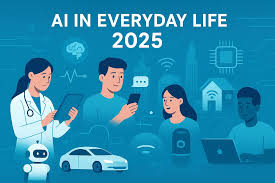
Artificial Intelligence (AI) is no longer just a buzzword reserved for tech conferences or futuristic movies. In 2025, AI has become an integral part of our daily lives, subtly influencing the way we work, communicate, shop, and even relax. From voice assistants that schedule our appointments to intelligent recommendation systems on streaming platforms, AI has quietly revolutionized the modern world. But how exactly is AI reshaping our routines, and what can we expect in the near future? Let’s dive in.
AI in Everyday Life
AI is no longer limited to complex algorithms running in research labs. Today, it’s woven into products and services that millions use every day. Here are some areas where AI is making a significant impact:
1. Personal Assistants
Digital assistants like Siri, Google Assistant, Alexa, and Cortana have become smarter than ever. They can now understand natural language more accurately, anticipate user needs, and perform complex tasks like managing emails, controlling smart home devices, or even making purchases on behalf of the user.
For example, imagine waking up and having your AI assistant read out your schedule, adjust your home thermostat, start your coffee machine, and even summarize the latest news—all before you leave the house. This seamless integration saves time and enhances productivity.
2. Personalized Recommendations
AI powers the recommendation systems we encounter daily. Whether it’s Netflix suggesting your next favorite show, Spotify curating a playlist based on your mood, or Amazon highlighting products you might like, AI analyzes massive amounts of data to predict what you want—even before you know it yourself.
This personalization goes beyond convenience; it’s shaping our consumption patterns, helping businesses understand customers better, and creating more engaging experiences.
3. Healthcare Innovations
AI is transforming healthcare in unprecedented ways. Machine learning algorithms can now detect diseases like cancer, diabetes, and heart conditions earlier and more accurately than ever before. Virtual AI health assistants help patients monitor symptoms, schedule appointments, and even provide mental health support.
Moreover, AI-driven robotic surgeries are reducing human error, improving precision, and shortening recovery times. In 2025, AI isn’t just assisting doctors—it’s saving lives.
4. Smart Homes and IoT
The Internet of Things (IoT) is heavily AI-powered. Smart homes equipped with AI devices can adjust lighting, temperature, security, and even entertainment based on user behavior. AI learns your preferences over time and predicts what you might need next.
For example, a smart refrigerator can track your groceries, suggest recipes based on what’s inside, and even place orders for essentials. These innovations make daily life more convenient and energy-efficient.
5. AI in Workplaces
AI is also transforming the way we work. From automating mundane tasks like data entry and scheduling to providing intelligent insights for decision-making, AI boosts productivity across industries. Tools like AI-driven analytics platforms can detect trends, forecast market changes, and provide actionable recommendations, giving businesses a competitive edge.
Even creative jobs are being enhanced by AI. Graphic design, music composition, and content creation now often involve AI tools that speed up workflows and open up new creative possibilities.
Ethical Considerations of AI
While AI is incredibly powerful, it also raises important ethical questions:
1. Privacy Concerns
AI systems rely heavily on data. The more data they have, the smarter they become. However, this raises concerns about how personal information is collected, stored, and used. Users must be vigilant about data privacy and the platforms they trust.
2. Job Displacement
Automation powered by AI can replace certain repetitive tasks, which may lead to job displacement in some industries. On the flip side, AI is creating new roles in AI development, ethics, and maintenance. The workforce is evolving, and adaptability is key.
3. Bias in AI Systems
AI learns from data, and biased data leads to biased decisions. For instance, AI recruitment tools have sometimes been criticized for unfairly favoring certain candidates. Ensuring AI systems are fair, transparent, and accountable is crucial for responsible implementation.
The Future of AI in 2025 and Beyond
The future of AI looks exciting, with rapid advancements on the horizon:
1. Enhanced Natural Language Processing
AI is becoming even better at understanding human language, making interactions with digital assistants feel more natural and conversational.
2. AI in Education
Adaptive learning platforms powered by AI are providing personalized education experiences, tailoring lessons to each student’s learning style and pace.
3. Autonomous Vehicles
Self-driving cars and drones are gradually entering mainstream use, relying heavily on AI to navigate safely and efficiently.
4. AI in Entertainment
AI is being used to create virtual actors, write scripts, and even compose music, opening up a whole new dimension in creative industries.
How to Embrace AI in Your Life
For individuals and businesses looking to leverage AI effectively, here are some tips:
- Stay Informed: Follow AI trends and updates to understand new tools and possibilities.
- Experiment: Don’t be afraid to try AI-powered tools for productivity, creativity, or personal assistance.
- Prioritize Ethics: Use AI responsibly, keeping privacy, fairness, and transparency in mind.
- Invest in Skills: Learning AI-related skills, such as data analysis or machine learning basics, can future-proof your career.
Conclusion
Artificial Intelligence is no longer just a futuristic concept; it’s a transformative force that touches nearly every aspect of our lives in 2025. From smarter personal assistants to life-saving healthcare innovations, AI is making our world more efficient, personalized, and interconnected. However, as with any powerful technology, it’s important to use AI responsibly, addressing privacy, ethical, and societal concerns.
For anyone looking to thrive in today’s digital landscape, embracing AI—while staying mindful of its implications—is no longer optional. It’s the gateway to smarter living, better decision-making, and a more connected future.
In short, AI isn’t just changing technology—it’s changing life itself. And 2025 is just the beginning.